PCD vs CBN cutting tools is not a contest between two grades of the same material. It is a workpiece-material decision. PCD is normally selected for non-ferrous metals and abrasive non-metallic materials, while CBN—more precisely PCBN in most indexable cutting-tool catalogs—is primarily used for hardened ferrous materials. Choosing correctly can improve tool life, surface finish and process stability; choosing by hardness alone can produce rapid wear or edge failure.
This buyer selection guide explains where each cutting material fits, how grade and edge preparation affect performance, which failure modes to watch for and what information a supplier needs before recommending a tool. It focuses on industrial turning, milling, boring, drilling and reaming rather than superabrasive grinding wheels.
If the process uses bonded abrasive wheels rather than a defined cutting edge, compare the formats separately in our CBN grinding wheels for hardened steel guide or browse the Diamond & CBN Tools category. Cutting inserts and grinding wheels may use related superabrasive materials, but their tool structures, specifications and selection methods are different.
PCD vs CBN Cutting Tools: The Quick Answer
| Selection point | PCD cutting tools | CBN / PCBN cutting tools |
|---|---|---|
| Full name | Polycrystalline diamond | Cubic boron nitride; most commercial cutting tips are polycrystalline CBN (PCBN) |
| Typical workpiece family | Aluminum and aluminum alloys, copper alloys, graphite, composites, filled plastics and wood-based panels | Hardened steels, hard cast irons and selected powder-metallurgy ferrous materials |
| Main strength | Very high abrasion resistance with a sharp edge and low-friction cutting action | High hot hardness and chemical stability when machining hard ferrous materials |
| Common operations | High-speed turning, milling, boring, drilling and reaming of suitable non-ferrous or non-metal materials | Hard turning, hard boring, finishing and selected milling of hardened ferrous components |
| Typical caution | Usually unsuitable for steel at elevated cutting temperatures | Often uneconomical for soft steels, aluminum and unstable low-speed work |
| What must be specified | Alloy, silicon or filler content, abrasiveness, tolerance, finish and edge-quality requirement | Steel or iron grade, hardness profile, case depth, interrupted-cut severity, stock allowance and rigidity |
Simple rule: start with the workpiece chemistry and condition. For aluminum, copper, graphite or fiber-reinforced composites, investigate PCD. For hardened steel or hard cast iron, investigate PCBN. Then refine the choice by operation, cut continuity, machine rigidity, required finish and cost per acceptable part.
What PCD and PCBN Actually Are
PCD cutting material
PCD is made by sintering synthetic diamond particles under high pressure and temperature, normally with a metallic binder. The diamond layer is commonly bonded to a cemented-carbide substrate and then manufactured into a brazed tip, full-face insert or rotary tool. The result combines diamond’s abrasion resistance with a tool body that can be clamped, brazed or reconditioned.
PCD is not the same as a single-crystal diamond tool. It is also not interchangeable with an electroplated or resin-bonded diamond grinding wheel. A cutting edge removes a chip with defined geometry; a grinding wheel removes material with many abrasive cutting points.
CBN and PCBN terminology
CBN is cubic boron nitride, a synthetic superhard material. In industrial cutting tools, CBN grains are usually sintered into a polycrystalline compact with a binder, so PCBN is the technically precise term for many inserts sold simply as “CBN inserts.” The compact may be supplied as a small tipped segment on carbide, a full-face layer or a solid PCBN form, depending on tool design and application severity.
Both materials are superhard, but their chemistry is the key difference. Diamond performs exceptionally well against abrasive non-ferrous and non-metallic workpieces. PCBN retains useful cutting properties at the high temperatures generated in hard ferrous machining.
Materials Best Suited to PCD Cutting Tools
Aluminum and high-silicon aluminum
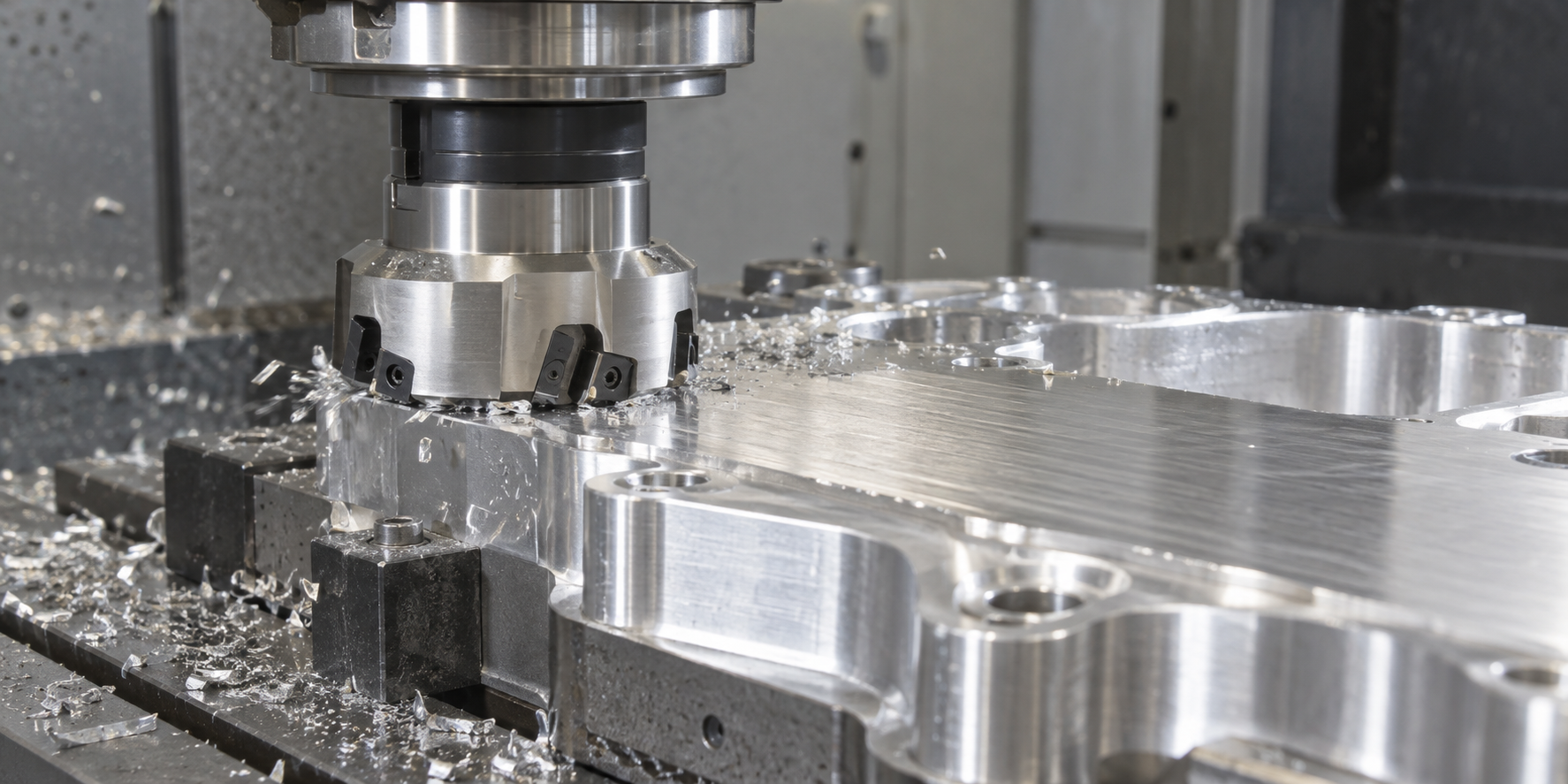
PCD is widely used for automotive and general-engineering aluminum components, especially when abrasive silicon particles shorten carbide life. Typical parts include housings, cylinder heads, transmission components, compressor bodies and precision bores. A sharp PCD edge can support good surface finish and dimensional consistency, while its wear resistance can reduce diameter drift over a long production run.
The buyer should state the exact aluminum grade and silicon content rather than writing only “aluminum.” A wrought low-silicon alloy, a cast high-silicon alloy and an aluminum-metal-matrix composite place very different demands on the cutting edge. Chip evacuation, built-up edge and burr control also influence geometry and coolant strategy.
Copper alloys and other non-ferrous metals
Selected copper, brass, bronze, magnesium and zinc alloys can be suitable for PCD when high volume, abrasive inclusions, tight tolerance or a stable finish justifies the tool cost. Material condition still matters: a free-cutting brass and a ductile pure copper do not use the same edge geometry. The supplier needs to know whether the main risk is abrasion, adhesion, burr formation or chip control.
Graphite, composites and abrasive engineered materials
PCD is also used for graphite electrodes, carbon-fiber-reinforced polymer (CFRP), glass-fiber-reinforced polymer (GFRP), abrasive plastics, laminates, ceramics in selected conditions and wood-based panels. These applications can be highly abrasive even when the workpiece is not hard in the conventional metallic sense.
Composite machining requires more than naming the fiber. Specify the matrix, fiber type and orientation, lay-up, thickness, entry and exit conditions, whether the workpiece is a stack, and the acceptable level of delamination or uncut fibers. PCD tool geometry for CFRP drilling is therefore not automatically suitable for an aluminum-CFRP stack.
Where PCD is usually a poor choice
- Carbon steels, alloy steels and most other ferrous materials at normal cutting temperatures.
- Operations with severe impact when the edge geometry and support are not designed for interruption.
- Very small batches where a lower-cost carbide tool already meets tool-life and quality targets.
- Setups with runout, vibration or poor chip evacuation that will destroy a sharp edge before its wear resistance creates value.
At elevated temperature, diamond can wear rapidly in contact with iron because of adverse chemical interaction. That is why “PCD is harder” does not mean “PCD is better for hardened steel.”
Materials Best Suited to CBN Cutting Tools
Hardened steels
Hard turning is the best-known PCBN application. Bearing steels, tool steels, carburized steels, die steels and other hardened components can often be finish-machined with PCBN after heat treatment. Examples include bearing races, gears, shafts, dies, sleeves and transmission parts.
Hardness must be reported as a measured value and range—not just “hardened.” Also state case depth, whether the tool will cut through the hardened layer, the amount of stock remaining after heat treatment and whether the cut crosses holes, keyways, splines or scale. Many suppliers treat approximately 55 HRC and above as the core hard-turning range, but the economical threshold depends on material, grade, cut and required output.
Cast iron and powder-metallurgy materials
PCBN can be effective for hard grey cast iron, chilled cast iron and selected powder-metallurgy ferrous parts. These workpieces may combine abrasive phases, porosity and interrupted engagement. A grade that performs well in continuous hardened-steel turning may not be the right choice for a porous sintered part or a heavily interrupted cast surface.
Selected heat-resistant materials
Certain PCBN grades are offered for specific nickel- or cobalt-based alloys and hard coatings. This is not a universal recommendation. Superalloy chemistry, work-hardening behavior, cutting speed and coolant strategy can change the result dramatically. Buyers should treat these as supplier-qualified applications and validate them with controlled trials.
Where CBN is usually a poor choice
- Soft, gummy steels where built-up edge and low cutting temperature prevent PCBN from operating in its intended range.
- Aluminum and ordinary non-ferrous machining where PCD or carbide is normally more suitable.
- Unstable machines, weak fixtures or parts with unpredictable stock that cause impact loading.
- Low-volume jobs where coated carbide, cermet or ceramic already achieves the required result at a lower cost per part.
PCD vs CBN by Operation and Cut Condition
| Operation or condition | PCD selection logic | PCBN selection logic |
|---|---|---|
| Continuous turning | Strong fit for suitable non-ferrous materials; prioritize chip control, surface finish and built-up-edge prevention | Strong fit for stable hard turning; grade and edge preparation depend on hardness and finish target |
| Interrupted turning | Possible with adequate edge support and a compatible workpiece, but impact severity must be defined | Requires a tougher grade and suitable chamfer/hone; light, medium and severe interruption are different applications |
| Milling | Common for aluminum and composite components; runout and insert setting are critical | Used selectively for hardened or cast materials; engagement and thermal cycling require careful validation |
| Boring and reaming | Useful for stable precision bores in aluminum and other suitable non-ferrous materials | Useful for hardened bores when rigidity, allowance and interruption are controlled |
| Drilling | Common in aluminum, CFRP and stacks with application-specific point geometry | Less common than turning; use only where a qualified tool design and process case support it |
| Roughing | Can work when abrasive wear dominates and the edge has adequate support | Solid or high-toughness PCBN constructions may be considered, but stock variation and impact can govern the choice |
| Fine finishing | Fine edge quality and low runout support finish and dimensional control | Edge preparation, insert style and stable finishing allowance are essential for predictable surface integrity |
Grade, Geometry and Tool Construction Matter
PCD grain and edge quality
PCD grades differ in diamond grain size, grain distribution, binder system and layer construction. Fine-grain grades can support a fine cutting edge and high-quality finish. Coarser or engineered multimodal grades may provide greater abrasion resistance or robustness in demanding applications. These are tendencies, not a universal ranking; the correct grade depends on workpiece abrasiveness, edge sharpness, interruption and required finish.
PCBN content and binder system
PCBN grades vary in CBN content, grain size, ceramic or metallic binder and microstructure. The familiar shortcut—high CBN content for roughing and lower content for finishing—can be directionally useful but is too simple for purchasing. Cast iron, hardened steel and superalloy applications may respond differently, and suppliers design grades around specific wear mechanisms. Ask for the grade rationale, not only the percentage of CBN.
Tipped, full-face and solid constructions
- Tipped insert: a small PCD or PCBN segment joined to a carbide body; economical when one or two cutting corners are sufficient.
- Full-face insert: a superhard layer across the face, allowing more cutting-edge area and flexible geometry.
- Solid PCBN: selected for demanding conditions or deeper engagement where a brazed tip may not provide enough superhard volume.
- Rotary tool: PCD-tipped drills, reamers and milling cutters require close control of runout, edge setting, coolant delivery and body design.
Edge preparation
PCD tools for aluminum and composites often use sharp, positive geometries to reduce cutting force, burrs or delamination. PCBN inserts for hard turning frequently use a chamfer, hone or combined preparation to strengthen the edge. A larger preparation is not automatically safer: excessive edge strength can increase force, heat or white-layer risk, while an edge that is too sharp can chip. The edge specification should match cut continuity, feed, depth of cut and surface-integrity requirement.
Common Failure Modes and What to Check
| Observed problem | More common context | Checks before changing grade |
|---|---|---|
| Built-up edge or smeared finish | PCD on ductile aluminum or copper alloy | Confirm alloy, edge sharpness, cutting speed, rake angle, lubrication and chip evacuation |
| Rapid edge wear | PCD on an incompatible ferrous material, or highly abrasive work beyond the selected grade | Verify workpiece chemistry, filler or silicon content, heat and whether PCD is appropriate at all |
| Chipping at entry or exit | PCD on composites or PCBN in interrupted cuts | Check runout, fixture rigidity, entry geometry, allowance variation, edge preparation and impact severity |
| Notch wear | PCBN at the depth-of-cut line | Check scale, hardness gradient, work-hardened layer, coolant application and toolpath strategy |
| Crater or flank wear | PCBN hard turning | Review speed, feed, depth, grade chemistry, workpiece hardness and thermal conditions |
| Thermal cracking | PCBN with intermittent coolant or milling cycles | Stabilize coolant delivery or validate dry cutting; check engagement and thermal cycling |
| Poor surface finish without heavy wear | Either material | Measure runout, vibration, nose radius, edge damage, feed marks, chip scratching and workholding |
| Insert or tip fracture | Either material | Check pocket condition, clamping, overhang, collision, excessive stock and whether the tool construction is adequate |
A failed trial does not always prove that the cutting material is wrong. Runout, workholding, tool overhang, stock variation and coolant delivery can consume the expected advantage of a superhard edge. Record the failure location and wear pattern before changing several variables at once.
Dry Cutting, Coolant and Process Stability
PCBN hard turning is often run dry because the process can tolerate high cutting temperature and an intermittent coolant stream may create thermal shock. That is not a universal rule. Some tools and operations use controlled coolant successfully, particularly where chip control, dimensional stability or component temperature requires it. The dangerous condition is often inconsistent application rather than coolant itself.
PCD machining of aluminum commonly uses flood coolant, minimum-quantity lubrication or another controlled strategy to manage adhesion and evacuate chips. Graphite and composite processes may instead prioritize dust extraction and material-specific safety controls. The machine, tool body and workpiece must all be compatible with the selected method.
Compare Cost per Acceptable Part, Not Insert Price
PCD and PCBN tools cost more per cutting edge than standard carbide in many applications. The purchase is justified only when the total process improves. A useful comparison includes:
- parts produced per indexed edge or reconditioned tool;
- cycle time and achievable cutting data;
- machine downtime for tool changes and offsets;
- dimensional drift over the tool-life window;
- scrap, rework and inspection frequency;
- secondary operations that may be eliminated;
- tool setting, regrinding and logistics cost;
- the cost of an unexpected fracture in the machine or component.
For a stable high-volume bore, an expensive PCD reamer may be economical because it reduces tool changes and maintains size. For a short repair batch, it may never recover its initial cost. Likewise, PCBN hard turning can replace or reduce grinding in some components, but only if surface integrity, tolerance and process capability are validated—not merely because turning is faster.
A Practical Buyer Selection Workflow
- Identify the workpiece precisely. Give the international grade, composition, heat treatment, hardness range and any abrasive filler, silicon, fiber or coating.
- Describe the operation. State turning, milling, drilling, boring or reaming; roughing or finishing; continuous or interrupted engagement.
- Quantify the cut. Include starting and final dimensions, stock allowance, depth and width of cut, feed, speed and number of passes.
- Define acceptance. List tolerance, roundness, cylindricity, burr or delamination limit, surface roughness and any metallurgical surface-integrity requirement.
- Describe the machine and setup. Provide spindle interface, power, maximum speed, holder, overhang, fixture arrangement, coolant method and known runout.
- Establish the baseline. Record the current tool, failure mode, tool life, cycle time and cost per acceptable part.
- Run a controlled sample trial. Change one major variable at a time, inspect wear at planned intervals and agree on success criteria before production approval.
PCD and CBN Cutting Tool RFQ Checklist
A supplier can quote faster and make a safer recommendation when the RFQ includes the following information:
- workpiece drawing and material standard;
- chemical composition or alloy designation, including silicon or filler content where relevant;
- hardness range, heat treatment, case depth and coating;
- operation, cut direction and interruption details;
- machine model, spindle or turret interface and maximum speed;
- tool or insert style, dimensions, corner radius, hand and number of teeth or edges;
- current speed, feed, depth of cut, coolant method and cycle time;
- tolerance, surface roughness and edge-quality requirements;
- current tool brand/grade and documented wear or failure mode;
- expected batch size, annual volume and changeover frequency;
- inspection report, traceability, packaging and reconditioning requirements;
- sample quantity and agreed trial acceptance criteria.
A photograph is useful, but it cannot replace a drawing and workpiece specification. For confidential projects, a simplified drawing can still show the cutting diameter, length, tolerance, stock and interrupted features without disclosing the complete component.
Questions to Ask a PCD or CBN Tool Supplier
- Why is this PCD or PCBN grade suitable for the stated material and cut?
- What edge preparation and tool construction are being quoted?
- Are the recommended parameters a proven range or only a starting point?
- Which wear mode should operators monitor, and what is the stop criterion?
- Can the tool be indexed, relapped, retipped or reground?
- What inspection report and material traceability are available?
- How will repeat orders control geometry, edge preparation and batch consistency?
- What trial quantity is needed before committing to production volume?
Frequently Asked Questions
Which is harder, PCD or CBN?
Diamond is generally harder, but hardness alone does not decide cutting performance. PCBN is the practical superhard choice for many hardened ferrous workpieces because it is more chemically stable than diamond in that cutting environment.
Can PCD cut steel?
PCD is generally not selected for conventional steel machining because interaction with iron at cutting temperature can cause rapid wear. Specialized low-temperature or research applications do not make it a normal purchasing choice for production steel cutting.
Can CBN machine aluminum?
It may physically cut aluminum, but it is rarely the economical first choice. PCD or carbide normally offers a better match for aluminum, depending on alloy, volume and finish requirement.
What hardness is required before using CBN?
Many hard-turning references focus on steels around 55 HRC and above, but there is no universal switch point. Material chemistry, heat treatment, operation, interruption and economics all matter. Compare PCBN with carbide, cermet or ceramic using the actual component and acceptance criteria.
Should CBN tools always run dry?
No. Dry hard turning is common, but some qualified processes use coolant. Follow the tool supplier’s recommendation and avoid unstable, intermittent coolant delivery that can intensify thermal cycling.
Can PCD and CBN tools be reconditioned?
Many brazed rotary PCD tools can be relapped, retipped or reground, and some PCBN tools can also be reconditioned. Feasibility depends on remaining superhard material, body condition, tolerance and the original tool design. Agree on reconditioning limits before purchasing.
Final Selection Summary
For PCD vs CBN cutting tools, the safest first decision is material compatibility: PCD for suitable non-ferrous and abrasive non-metallic workpieces; PCBN for suitable hardened ferrous materials. The second decision is application fit—continuous or interrupted cut, roughing or finishing, machine rigidity, edge preparation and tool construction. The final decision is commercial: cost per acceptable part proven by a controlled trial.
Do not approve a tool from a generic material label or a low unit price. Give the supplier complete workpiece and process data, ask why the proposed grade fits the failure mechanism, and measure tool life together with quality and downtime. That approach turns a PCD or PCBN quotation into a defensible production decision.