Products / Diamond & CBN Tools / PCD & PCBN Precision Cutting Tools / PCD Cutting Tools
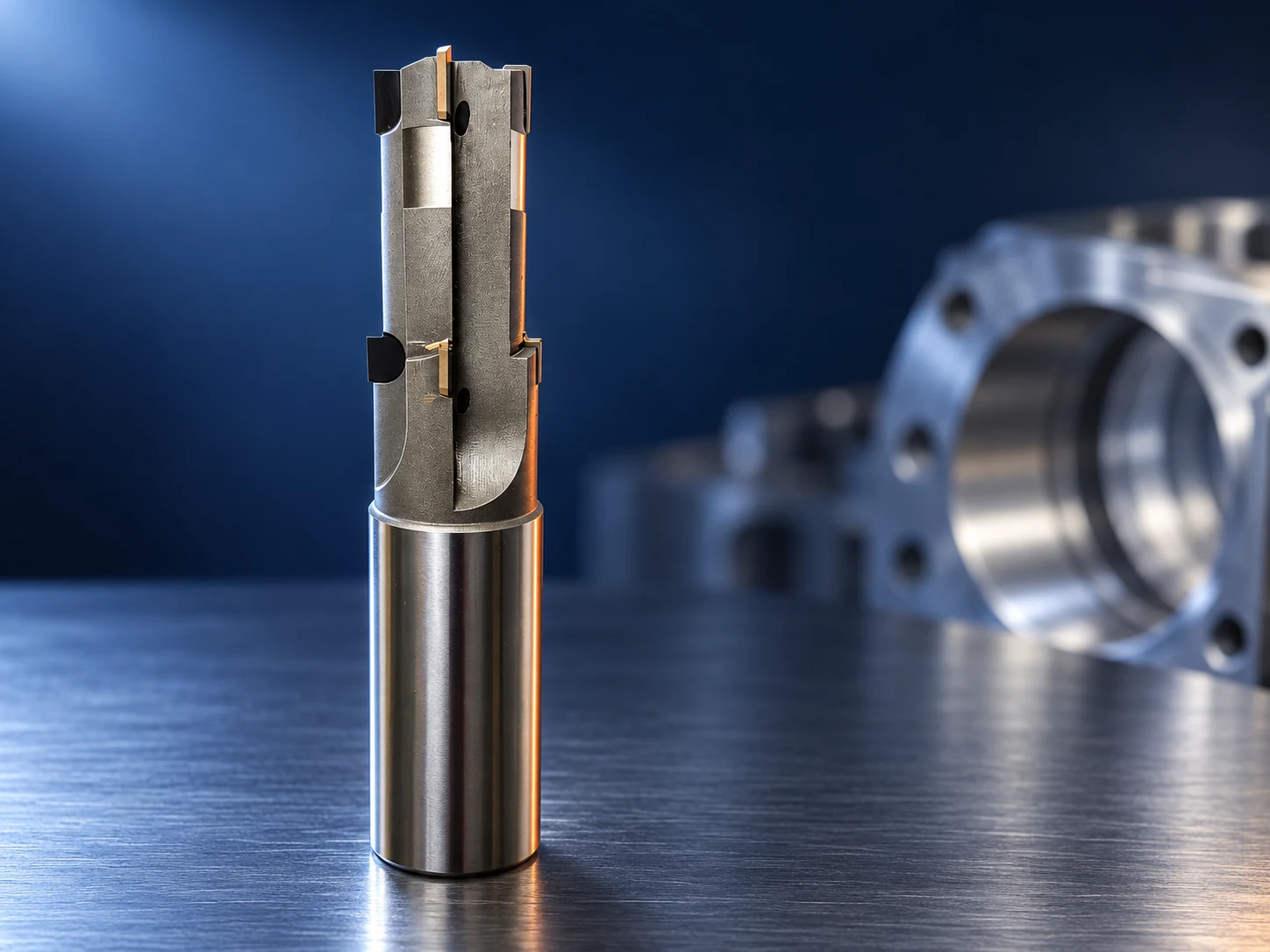
CUSTOM PCD BORE TOOLING
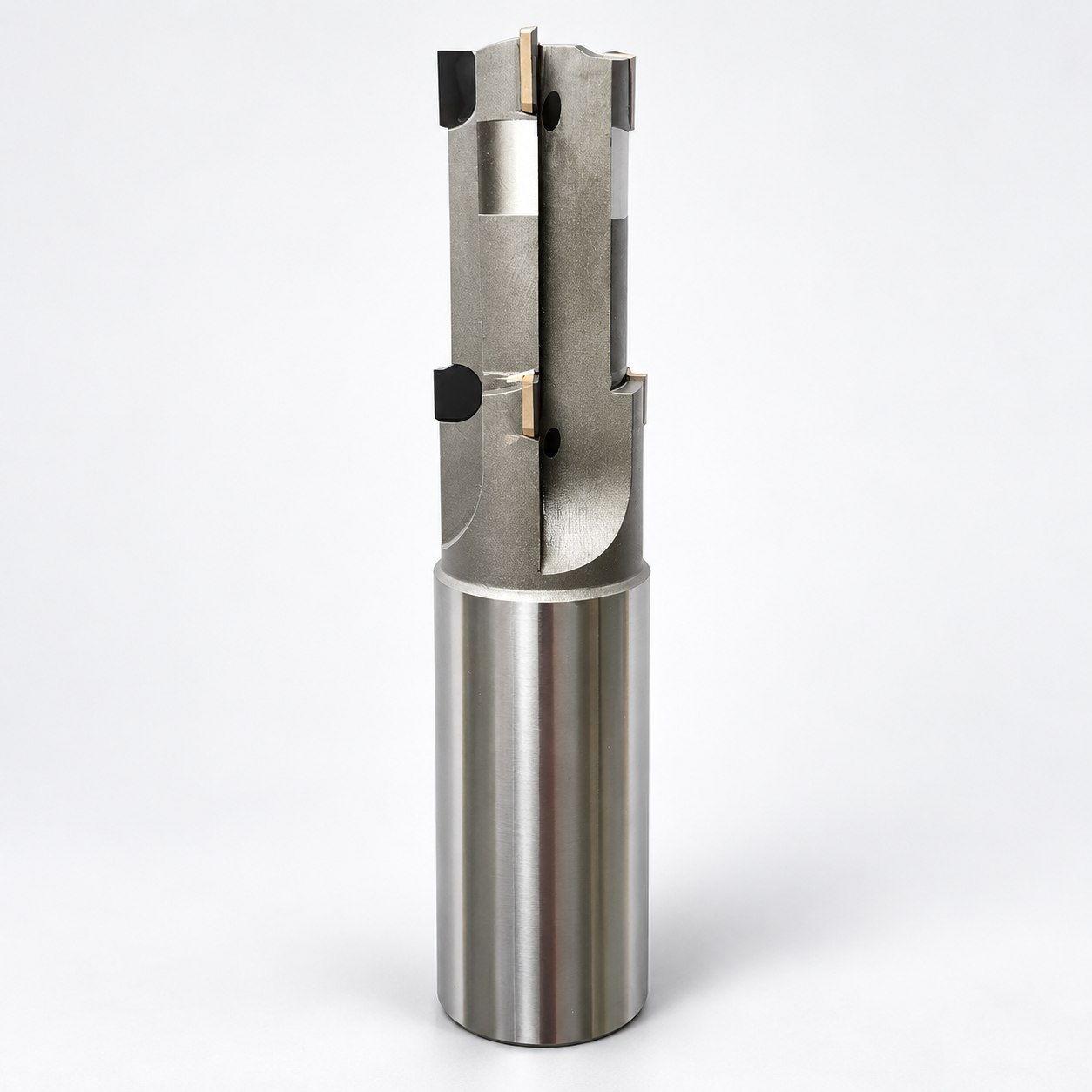
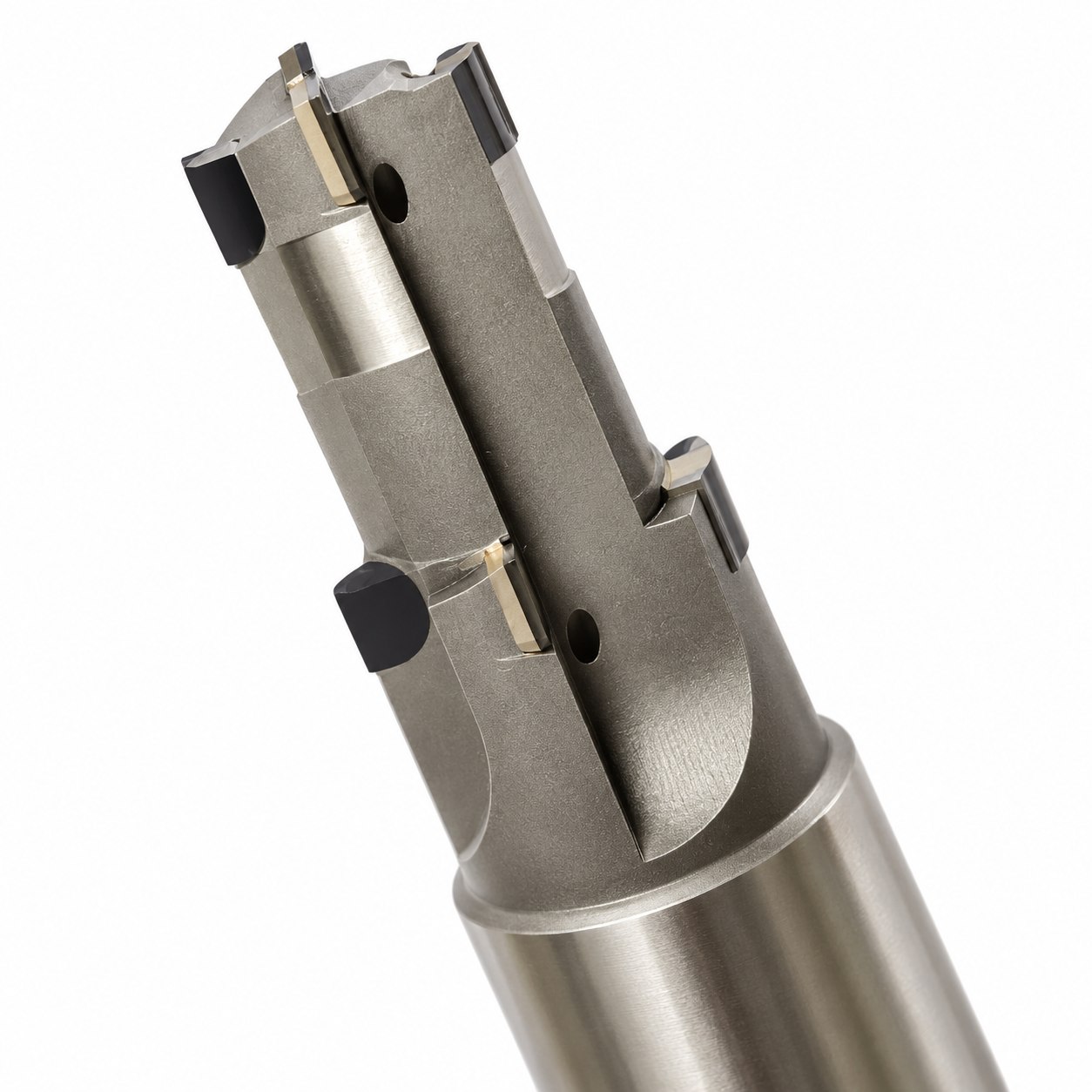
Custom PCD step reamers and form tools
Drawing-based PCD tooling for combined bore operations in suitable aluminum alloys and other non-ferrous or abrasive non-metallic materials. Step diameters, form profiles, counterbores and chamfers can be integrated after application review.
- PCD cutting edges for wear resistance and stable finishing
- Multi-diameter and profile geometries for combined operations
- Custom body, shank, flute and edge design
- Quotation based on drawing, tolerance and machine conditions
Step reamer, form cutter or counterbore tool?
This is a custom PCD form-tool family rather than one fixed catalog reamer. The correct name follows the operation: a step reamer controls two or more bore diameters and finish; a form cutter generates a specified profile; a counterbore or countersink tool produces a shoulder or chamfer. One tool may combine these functions when the component and machine permit.
Configuration options
| Selection item | Custom direction |
|---|---|
| Operation | Step reaming, precision boring, profiling, counterboring, countersinking or combined machining |
| Tool geometry | Diameter steps, cutting lengths, shoulder position, chamfer angle, flute form and edge count to drawing |
| Tool body and shank | Selected for machine interface, reach, rigidity, coolant delivery and runout control |
| Workpiece materials | Suitable aluminum and copper alloys, graphite, engineered wood and reviewed composites |
| Quality targets | Bore size, roundness, coaxiality, surface finish, burr control and tool-life requirement |
Why use a custom PCD step tool?
Process consolidation
A properly designed combination tool can reduce tool changes and control the relationship between multiple diameters, shoulders or chamfers in one setup.
Application-matched edge design
PCD grade, rake, clearance, edge preparation and chip space are reviewed against the workpiece, cutting mode, coolant and finish target.
Repeatable quotation inputs
Complete drawings and production data reduce ambiguity and help align the tool geometry with the machine and inspection method.
Information required for quotation
- Finished hole or profile drawing with dimensions and tolerances
- Workpiece material, alloy, coating and hardness where applicable
- Machine, holder interface, spindle speed, coolant and runout condition
- Existing process, cycle-time target and expected production volume
- Surface finish, burr, tool-life and inspection requirements
Material note: PCD is normally selected for non-ferrous and non-metallic materials. For hardened ferrous steels, a PCBN or other reviewed cutting material is generally more appropriate.
REQUEST A TECHNICAL REVIEW
Send your drawing for a PCD tool quotation
Share the finished-hole drawing, workpiece material, machine interface, target tolerance and expected quantity. We will review whether a PCD step reamer, form tool or another geometry is appropriate before quotation.
Your inquiry information is handled according to our Privacy Policy. For urgent technical questions, you may also use the WhatsApp button on this page.
Frequently asked questions
Is every tool shown here a reamer?
No. The product family covers custom PCD step reamers and related form tools. The final designation depends on whether the tool sizes and finishes a bore, generates a profile, or machines a shoulder or chamfer.
Can one tool machine several features?
Yes, when part geometry, rigidity and chip evacuation allow it. A drawing review is required before confirming a combined step, counterbore, chamfer or profile design.
Can you quote from an existing tool sample?
A drawing is preferred. A sample, tool code or clear dimensional record can support the review, but critical dimensions and tolerances should still be confirmed in writing.
Explore the complete PCD cutting tools range for inserts, milling cutters and custom precision tooling.