Products / Diamond & CBN Tools / PCD & PCBN Precision Cutting Tools / PCD Cutting Tools
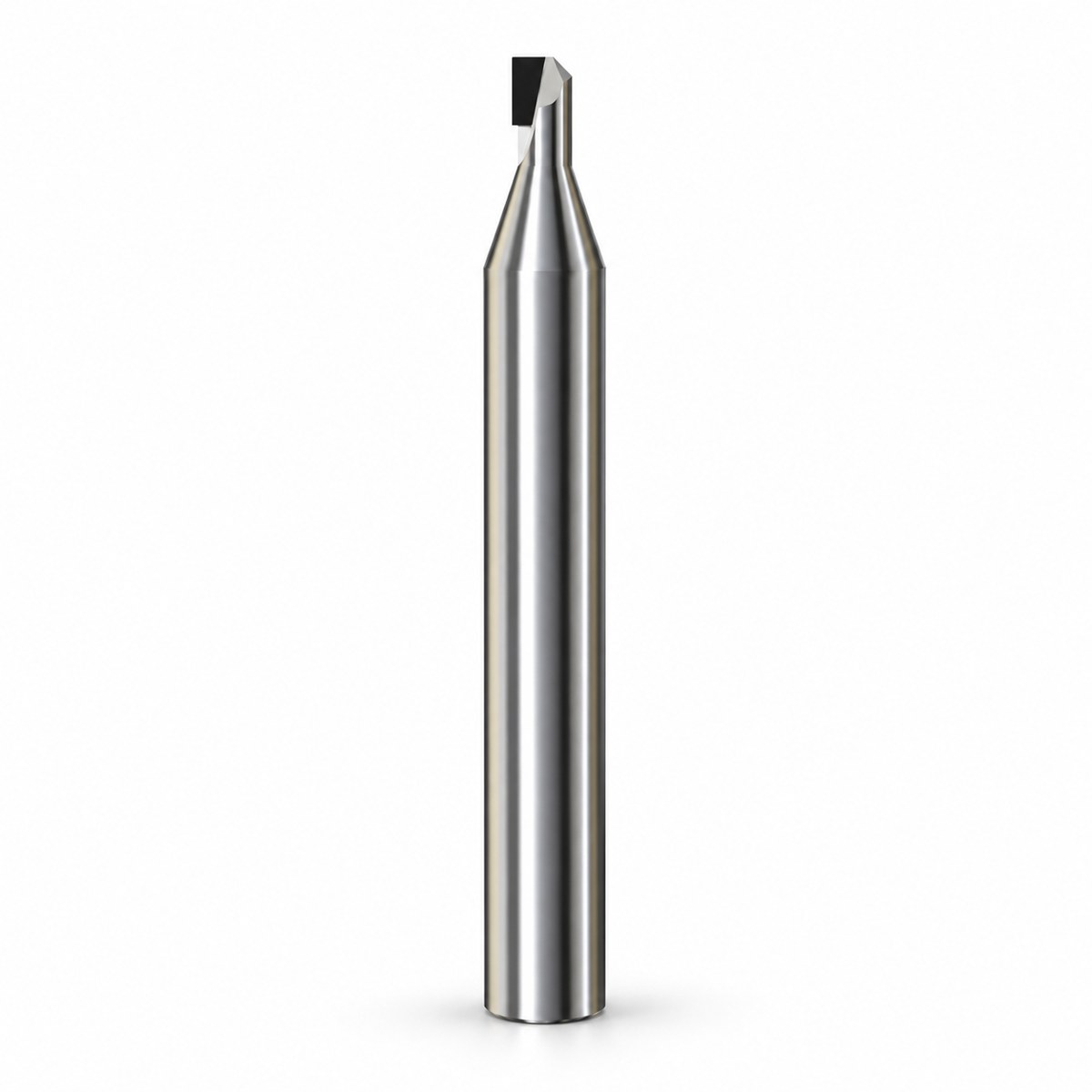
PCD MILLING CUTTERS
Single- and double-edge PCD cutters for non-ferrous machining
PCD milling cutters for precision routing, engraving, trimming and profile machining of suitable aluminum alloys, copper alloys, acrylic, graphite, wood-based materials and selected composites. Geometry and cutting data are reviewed against the workpiece, machine, toolholder and finish requirement.
- Single-edge and double-edge source-listed configurations
- PCD cutting edges for abrasive non-ferrous and non-metallic materials
- Application review for high-gloss and fine-finish machining
- Standard-size and drawing-based quotation support
PCD milling cutter range
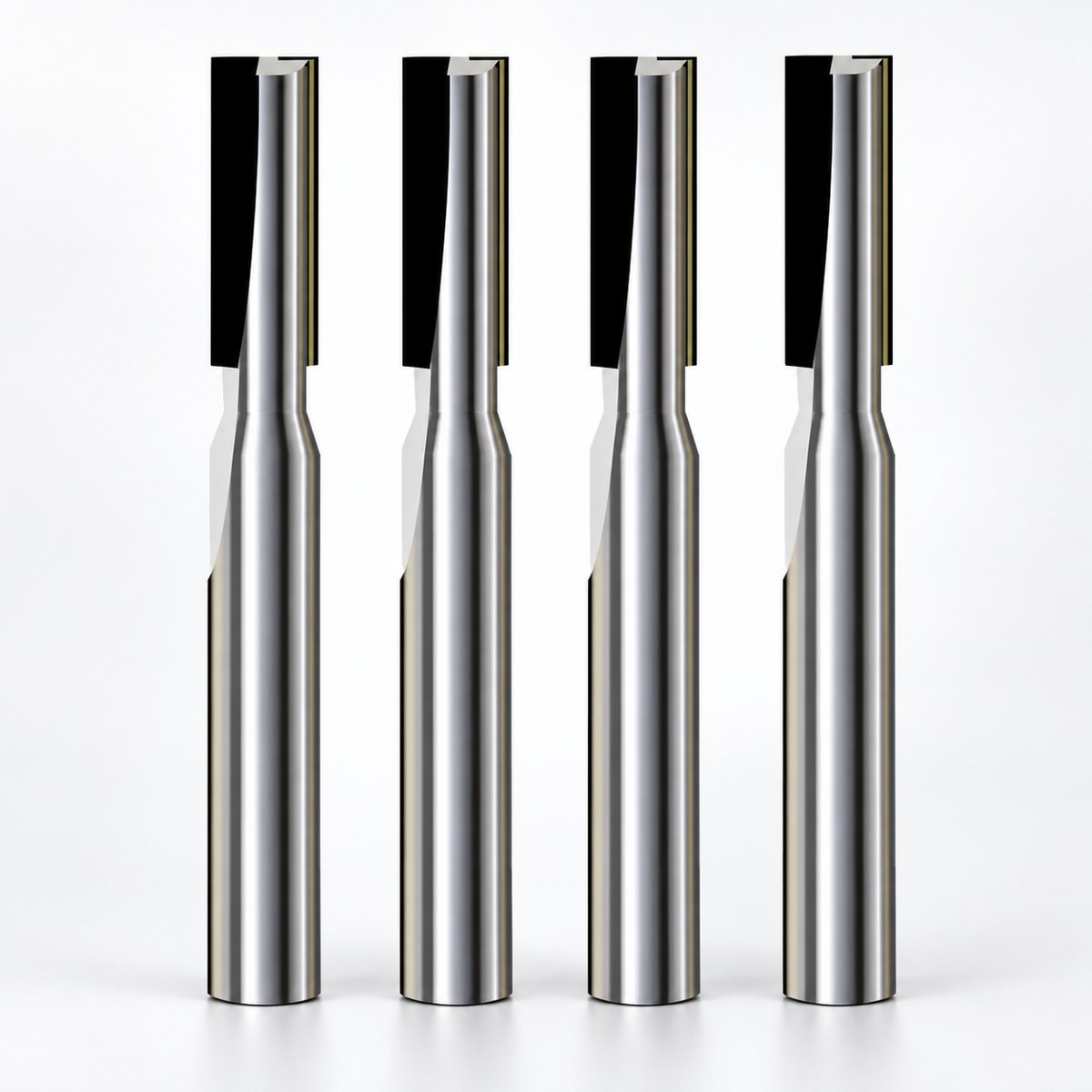

Configuration and selection
| Selection item | Available direction |
|---|---|
| Cutting-edge format | Single-edge and double-edge PCD configurations |
| Workpiece materials | Suitable aluminum and copper alloys, acrylic, graphite, wood-based materials and reviewed composites |
| Operations | Engraving, routing, trimming, slotting, profiling and fine-finish milling |
| Tool dimensions | Multiple source-listed diameters and shank sizes; confirm the exact drawing or machine interface |
| Supply model | Standard configurations and drawing-based custom review |
Application guidance
Good application fit
- Aluminum components requiring controlled burr and finish
- Acrylic and plastic parts requiring clean edges
- Graphite electrode and abrasive non-metallic machining
- Wood-based boards and selected composites
Review before quotation
- Material grade and reinforcement content
- Tool diameter, cutting length, shank and flute count
- Machine spindle, holder, runout and coolant condition
- Cutting speed, feed, depth and surface-finish target
Material note: PCD is generally selected for non-ferrous and non-metallic materials. It is not normally the first choice for hardened ferrous steels, where PCBN or another reviewed tool material may be more suitable.
Frequently asked questions
Is this a diamond-coated carbide end mill?
No. This product family uses PCD cutting edges. Coated carbide tools are a different construction and should be specified separately.
Which flute configuration should I select?
The choice between single- and double-edge designs depends on chip evacuation, workpiece material, spindle condition, engagement and required finish. Send the application details for review.
Can the tool be supplied to a drawing?
Drawing-based review is available. Include the tool dimensions, tolerance, material, operation and expected production quantity with the inquiry.
Explore the complete PCD cutting tools range for related inserts and precision tooling.
Information needed for tool selection
Precision cutting tools should be quoted against the complete machining application. Supplying the following information reduces the risk of an unsuitable grade, edge preparation or tool geometry.
- Workpiece material, grade and hardness
- Turning, milling, drilling, reaming or form-cutting operation
- Machine model, spindle interface and tool-holder details
- Tool drawing, insert designation or required dimensions and tolerances
- Cutting speed, feed, depth of cut and interrupted-cut conditions
- Dry, air-blast or coolant machining
- Target surface finish, tool life and annual quantity