CBN grinding wheels are used when hardened steel, high-speed steel or selected heat-resistant alloys must be ground with stable geometry and controlled thermal damage. Their value does not come from hardness alone. Cubic boron nitride combines high wear resistance with better chemical compatibility for many iron-rich materials than diamond, which makes it a practical superabrasive for demanding ferrous-metal applications.
That does not make CBN the correct choice for every steel part or every grinding machine. A wheel that performs well on a hardened bearing race may load quickly on a softer, ductile steel. A vitrified wheel designed for a production OD operation may also be unsuitable for dry tool sharpening or a complex single-layer profile. Industrial buyers should therefore select the abrasive, bond and wheel specification around the complete process rather than a product name or a claimed life multiplier.
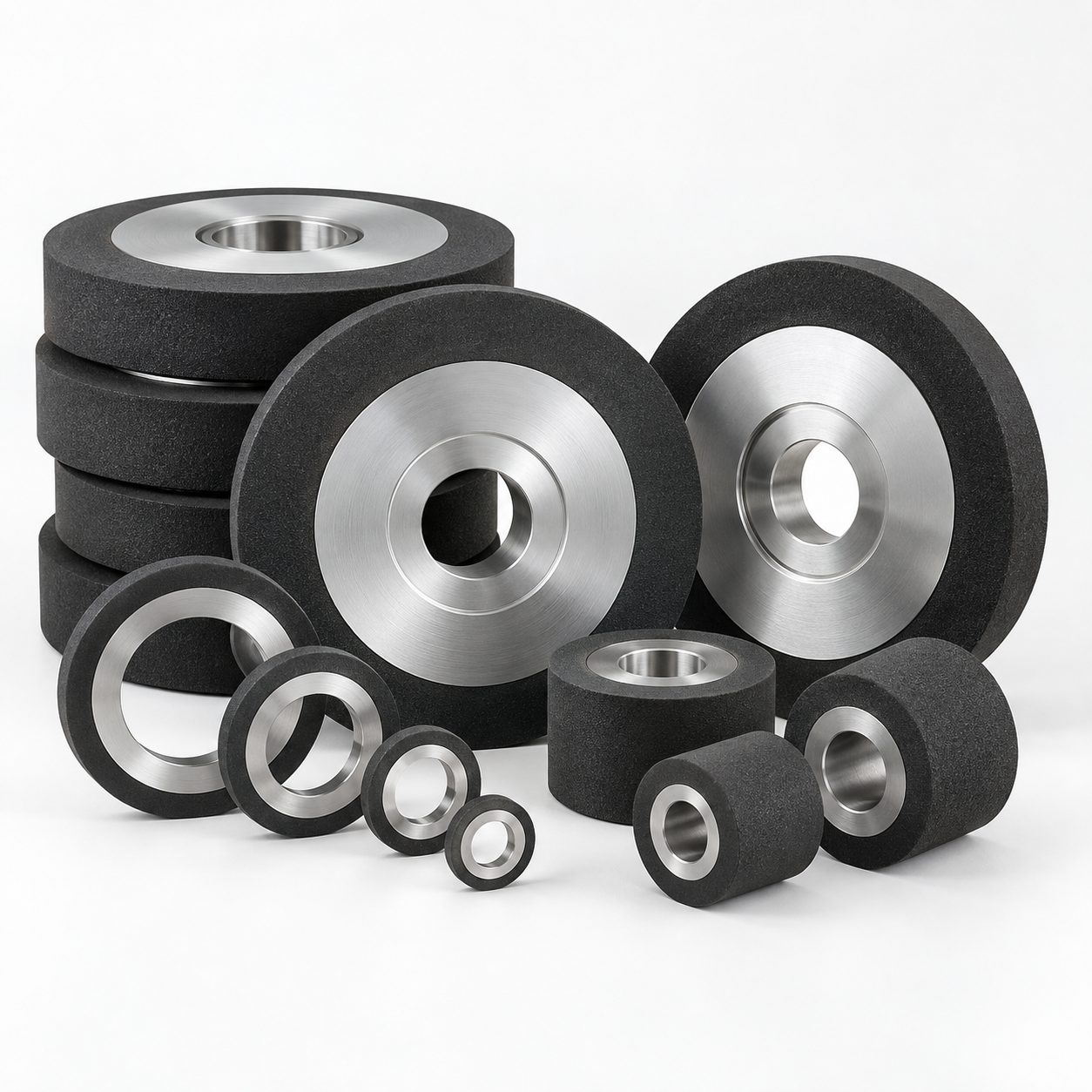
When CBN grinding wheels are the right starting point
The first screening question is the workpiece material. CBN is generally considered for hardened ferrous materials such as bearing steel, tool steel, die steel, high-speed steel and many case-hardened or high-alloy steels. It is also used for selected nickel-based superalloys when the wheel construction and grinding conditions have been developed for the application. These material groups appear in powertrain, bearing, cutting-tool, turbine, transmission and precision-machinery production.
CBN is often a poor economic fit for annealed low-carbon steel, soft stainless steel and other gummy materials that readily load a wheel. Conventional aluminum oxide or ceramic alumina may provide a lower-cost and more forgiving process in those cases. At the other end of the material spectrum, cemented carbide, technical ceramics, glass and silicon carbide normally point buyers toward diamond grinding wheels rather than CBN. Norton’s superabrasive guidance uses the same broad division: CBN for hardened ferrous materials and diamond for hard non-ferrous or non-metallic materials.
The workpiece description must go beyond the word steel. A supplier needs the exact grade, hardness range, heat treatment, coating and stock condition. Contact length, interrupted features and the ratio of stock removal to finish requirement also affect whether the process can use a free-cutting porous wheel, a resilient resin system or a strong single-layer construction.
Why CBN behaves differently from conventional abrasives and diamond
CBN is a synthetic superabrasive and is generally described as second only to diamond in hardness. Its practical advantage in steel grinding comes from the combination of hardness, thermal stability and limited chemical reactivity with many ferrous alloys. Norton notes that CBN can outperform diamond in life and material removal when grinding ferrite-based and nickel alloys because diamond suffers accelerated chemical wear in those conditions. The result can be longer intervals between wheel changes or dressings and better dimensional consistency, but only when the grinding system keeps the wheel sharp and controls heat.
Conventional aluminum oxide and ceramic alumina remain important because they can be economical, dressable and well suited to a wide range of steel operations. The decision to move to CBN should therefore be based on cost per accepted part rather than wheel price or theoretical hardness. Useful trial measures include cycle time, power or spindle load, parts between dressings, total accepted parts, profile loss, surface finish, burn or residual-stress indications, changeover time and scrap. A CBN wheel is commercially successful only when the savings in production time, stability or quality exceed its higher purchase and process-development cost.
Material and application fit
The following matrix is a starting point for an RFQ. It does not replace a controlled trial on the actual machine. Material variations, hardness, contact conditions and coolant delivery can change the result even within the same alloy family.
| Material or component | Starting abrasive | Why it may fit | Important qualification |
| Bearing steel and hardened races | CBN | Good hardness and chemistry fit for precision ID, OD and raceway grinding | Confirm hardness, stock, profile, burn inspection and dressing system |
| HSS and hardened tool steel | CBN | Common fit for tool grinding, sharpening and form retention | Check cobalt content, interrupted edges, dry or wet operation and edge quality |
| Case-hardened gears, shafts, cams and crankshafts | CBN or advanced conventional abrasive | CBN may support production stability and longer dressing intervals | Compare against a strong conventional baseline under the same process |
| Selected nickel-based superalloys | Application-specific CBN | CBN can resist chemical wear better than diamond in suitable nickel-alloy grinding | Require supplier review of alloy, wheel speed, coolant and contact geometry |
| Soft or gummy ferrous materials | Usually conventional abrasive | CBN may load and may not justify its cost | Evaluate machinability and wheel openness before testing |
| Carbide, ceramics, glass and SiC | Usually diamond | These hard non-ferrous or non-metallic materials generally suit diamond | Do not specify CBN only because the material is hard |
Bond types change how a CBN wheel cuts and wears
After material compatibility, the bond is the most important selection decision. It holds the CBN grains, controls how readily worn grains are released and helps determine wheel stiffness, porosity, damping, chip clearance, form holding and dressability. Two wheels with the same diameter and grit designation can behave very differently because their bond chemistry, pore structure, abrasive concentration and manufacturing method differ.
| Bond or construction | Typical strengths | Common applications | Buyer checks |
| Vitrified | Dressable, rigid, porous and capable of strong profile control | Production ID, OD and surface grinding of hardened steel; powertrain and bearing parts | Dressing equipment, coolant, wheel speed, porosity and machine rigidity |
| Resin | More compliant cutting action and useful damping | Tool grinding, sharpening, dry or wet operations and selected roll grinding | Heat sensitivity, dry-grinding limits, profile retention and finish target |
| Metal | Strong grain retention and wear resistance | Long-life or high-load applications where form retention is important | Dressing method, risk of glazing, machine capability and coolant access |
| Electroplated or brazed single layer | High grit exposure and the ability to reproduce complex forms | Form grinding, profiles, slots and operations that benefit from a steel core | Usually not conventionally dressable; core accuracy and coating consistency are critical |
Vitrified CBN grinding wheels are a common production choice for hardened steel because they can combine dressability, open structure and dimensional control. 3M lists cylindrical ID, cylindrical OD and surface grinding among the focused applications for its vitrified CBN technology, while Norton identifies camshaft, crankshaft and bearing applications for a high-precision vitrified bond. Those examples show where the technology is used; they do not create a universal performance guarantee for every wheel carrying the same bond label.
Resin-bonded CBN wheels often suit tool making and re-sharpening because the bond can provide a freer, more compliant cutting action. Tyrolit, for example, positions resin-bonded CBN wheels for machining steel and HSS cutting tools and shear blades. Metal bonds and single-layer constructions serve a different purpose: they emphasize retention, form capability or long life, but can demand a more specialized dressing strategy or require replacement or recoating when the working layer is worn.
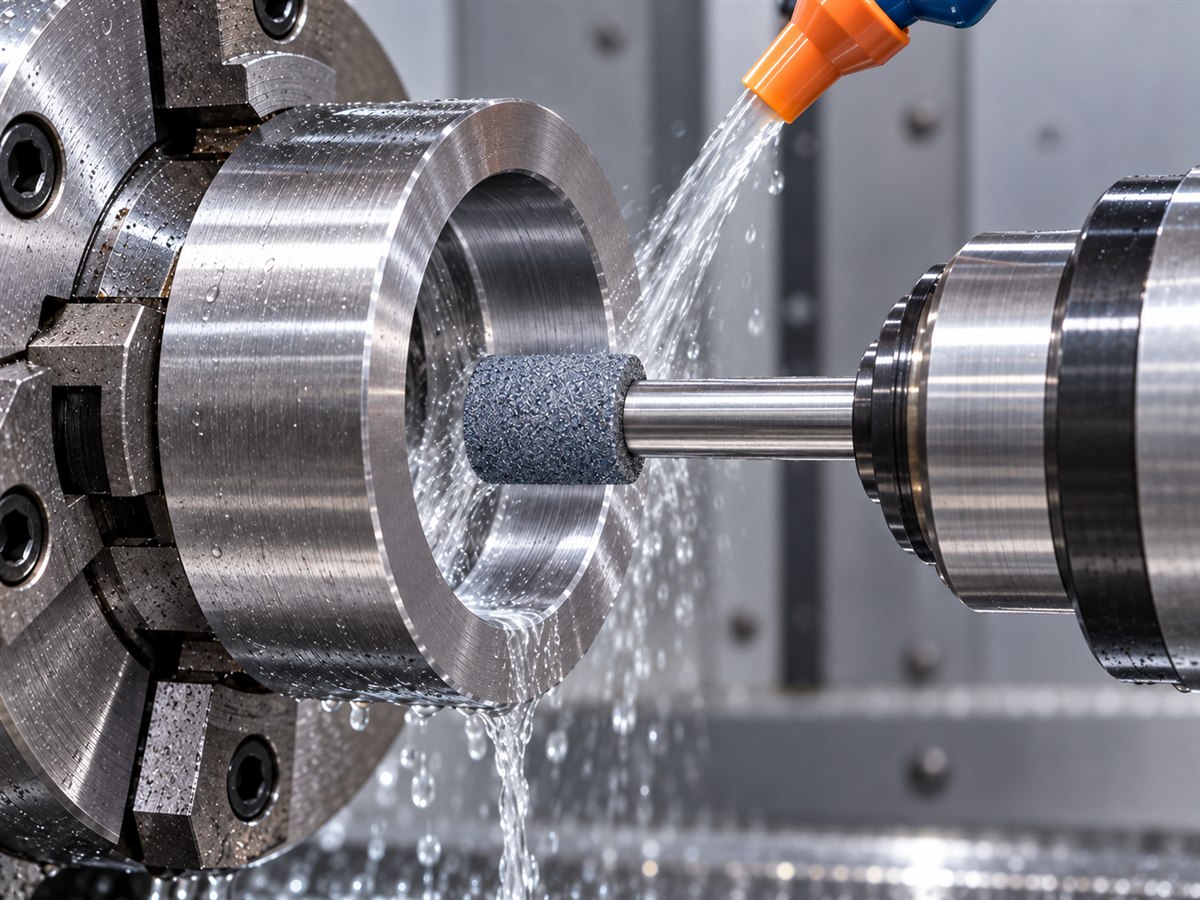
Where CBN grinding wheels create production value
Automotive powertrain
Camshafts, crankshafts, transmission parts, turbocharger bores and related hardened components combine tight dimensional requirements with production-volume pressure. Vitrified CBN grinding wheels are used in OD, ID and form-grinding operations where wheel wear, dressing frequency and surface integrity affect line output. Buyers should compare CBN with a capable conventional abrasive under the same machine, coolant and inspection conditions. A lower cycle time is useful only if roundness, profile, roughness and burn requirements remain stable through the full production interval.
Bearings and precision bores
Bearing races, spindle bearings and other hardened rings require consistent geometry and surface integrity. Internal grinding is particularly sensitive to spindle stiffness, wheel diameter, coolant access and chip evacuation. A small vitrified CBN internal grinding wheel may offer useful wear resistance, but an overly closed or poorly dressed surface can load, increase power and damage the part. The RFQ should therefore state the bore size, contact length, stock allowance, tolerance, roughness, current dressing cycle and the inspection method used to detect grinding burn.
Cutting tools and hardened tooling
HSS drills, milling cutters, broaches, dies and shear blades are established CBN applications. Resin bonds are common in tool-room and re-sharpening work, while vitrified or single-layer constructions may be selected for production processes or complex profiles. Edge chipping, burr formation, thermal damage and profile accuracy often matter more than maximum stock removal. The buyer should also identify whether the operation is dry or wet because the bond, speed and thermal load must be compatible with the chosen process.
Selected superalloy components
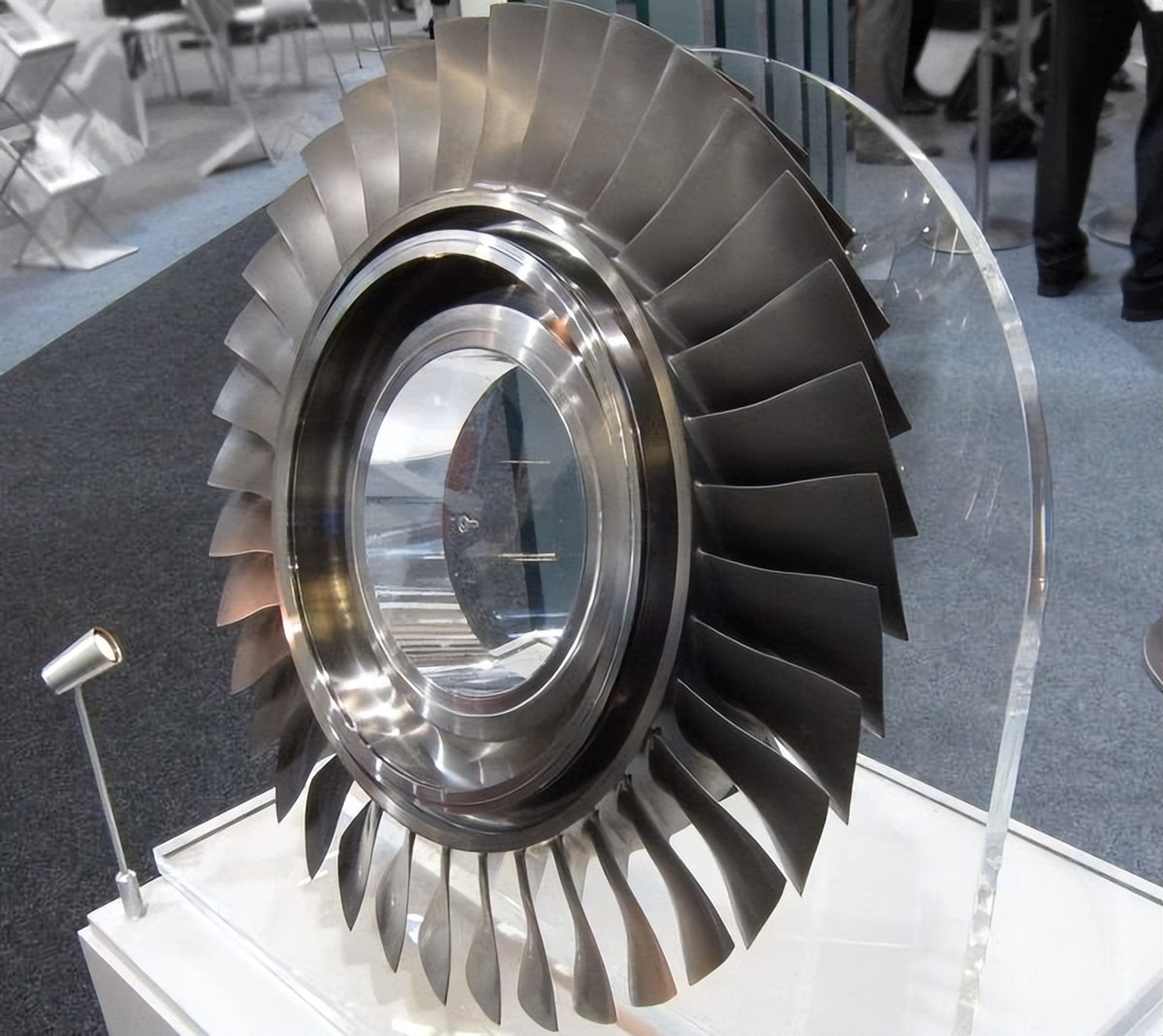
CBN can be effective on some nickel-based and heat-resistant alloys, particularly where diamond would suffer chemical wear. This category should not be treated as one material. Alloy chemistry, heat treatment, geometry, stock removal and surface-integrity requirements vary widely across turbine, aerospace and energy components. A supplier should recommend an initial specification only after reviewing the exact alloy and should validate it through a controlled trial rather than relying on a generic aerospace claim.
The wheel specification must match the machine and process
A CBN wheel specification normally combines abrasive type, grit size, concentration, bond, grade or bond hardness, structure, wheel shape, dimensions and abrasive-layer geometry. Coarser grit generally provides more chip space and stronger cutting points for stock removal, while finer grit supports finer finishes but can load or generate heat if it is used for a task that demands excessive removal. Concentration describes the amount of superabrasive in the working layer. A higher number is not automatically better because cutting freedom, force, finish and grain retention must remain balanced.
Wheel geometry and speed also require careful control. The supplier needs the wheel diameter, width, bore, profile, layer thickness and any relieved or neutral zones. The machine data should include make and model, spindle power, maximum RPM, actual operating RPM, mounting system and known rigidity or vibration limits. Peripheral speed must remain within the marked limits of the wheel and the machine. It should never be copied from another application without checking wheel construction, dimensions and safety requirements.
Coolant delivery, filtration and dressing belong in the wheel specification rather than an afterthought. Coolant must reach the grinding zone at a useful direction and flow, remove swarf and control thermal cycling. Truing restores wheel geometry and concentricity, while dressing opens or conditions the working surface. Vitrified, resin, metal and single-layer wheels do not use identical conditioning methods. A technically suitable wheel can fail quickly if the plant cannot dress it correctly or if coolant is blocked by the wheel guard or fixture.
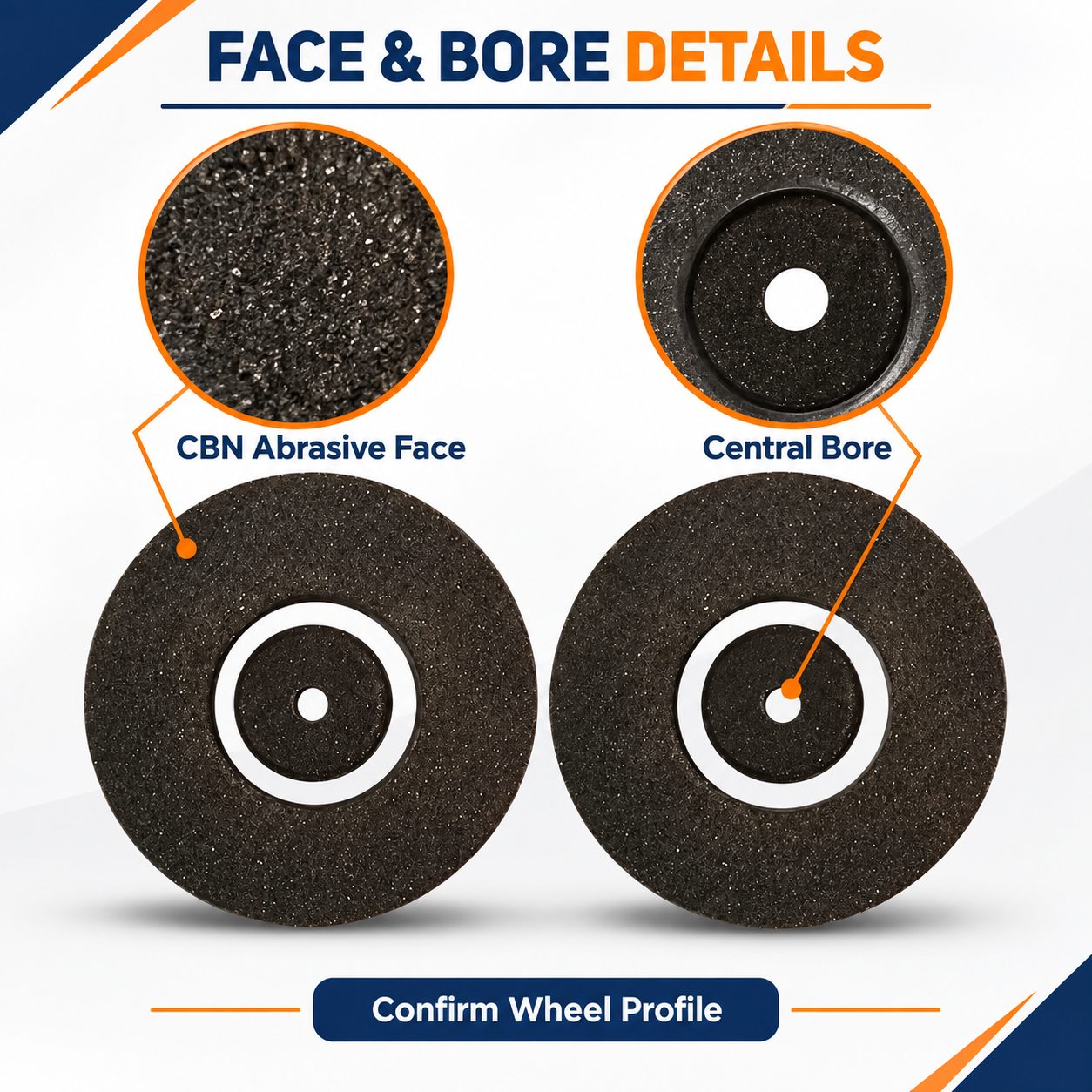
Diagnosing burn chatter loading and rapid wheel wear
Grinding burn is not proof that CBN is unsuitable. It usually indicates that heat generation and heat removal are out of balance. A dull or glazed wheel, excessive infeed, a closed structure, incorrect dressing, weak coolant delivery or a speed mismatch can all raise grinding energy. Corrective work should begin with the existing process record and a physical examination of the wheel face. Reducing feed without restoring wheel sharpness may hide the symptom while leaving the root cause in place.
Chatter and waviness point buyers toward the complete mechanical system. Wheel imbalance, poor mounting, spindle wear, an unsuitable core, dressing vibration, weak workholding or an unstable speed relationship can produce similar surface patterns. Loading is more common when chips cannot escape or the workpiece is too soft and ductile for the selected CBN construction. Rapid wheel wear can have the opposite cause: a bond that releases grains too easily, an aggressive dressing cycle, impact from interrupted features or a wheel specification that is too soft for the contact conditions.
The most useful troubleshooting record links each defect to time, part count and process data. Record spindle load, wheel speed, feed, infeed, coolant condition, dressing parameters, dimensional drift and surface inspection at defined intervals. This evidence helps the supplier distinguish between a wheel-design problem and a machine or process problem, and it gives both sides a repeatable baseline for the next trial.
What industrial buyers should include in a CBN wheel RFQ
A useful RFQ allows the supplier to engineer a starting specification. A photograph and an incomplete wheel code are rarely enough. The buyer should describe the workpiece, operation, machine, current process and commercial requirement in one document. For repeat or replacement orders, include the complete marking from the existing wheel and explain what must improve rather than requesting a generic equivalent.
Exact workpiece material, hardness range, heat treatment, coating and any mixed materials in the grinding path
Grinding operation, contact geometry, stock allowance, batch size and production-volume target
Current wheel specification, shape, dimensions, abrasive layer, bond, operating speed and known service history
Machine make and model, spindle power, RPM limits, mounting details and any vibration or rigidity concern
Coolant type, delivery direction, flow or pressure information, filtration and whether the operation is dry or wet
Truing and dressing equipment, dresser type, parameters, frequency and the plant’s practical conditioning limits
Required tolerance, profile, roundness, surface roughness, edge condition and burn or residual-stress inspection
Current cycle time, parts between dressings, accepted parts per wheel, scrap rate and the defect that triggered the RFQ
Sample quantity, annual demand, packaging, labeling, traceability and inspection-document requirements
Before testing, agree on acceptance criteria and record the baseline process. Run the candidate wheel under controlled conditions, inspect parts from the beginning, middle and end of the trial and change one important variable at a time. The first acceptable part does not establish production value. Approval should depend on repeatability, predictable wear, stable quality and cost per accepted part over the intended batch.
Frequently asked questions
Are CBN grinding wheels always better than aluminum oxide wheels
No. CBN can improve wear resistance, dimensional stability or production output on suitable hardened materials, but conventional abrasives can be more economical and easier to apply on softer steels, lower-volume work or machines without the required dressing and coolant capability. Compare both options through a measured cost-per-part trial.
Can CBN grinding wheels be used for carbide ceramic or SiC
Diamond is normally the starting superabrasive for cemented carbide, technical ceramics, glass and silicon carbide. CBN should not be selected merely because the workpiece is hard. Material chemistry and the grinding temperature matter as much as hardness.
Which CBN bond type lasts the longest
There is no universal answer. Metal and single-layer constructions can provide strong grain retention, while vitrified wheels can offer excellent dressability and production stability and resin bonds can cut freely in tool-grinding applications. The best wheel balances life with cutting ability, heat control, form retention and the plant’s ability to condition it.
What information has the greatest effect on a quotation
The exact material and hardness, wheel dimensions, operation, machine and RPM, coolant, dressing method, stock allowance, tolerance, surface finish and current defect are the most important technical inputs. Annual volume, sample quantity, inspection records and traceability requirements determine the commercial proposal.
How should buyers compare two CBN wheel suppliers
Use the same baseline, machine, workpiece and acceptance criteria. Compare accepted parts per wheel, parts between dressings, average cycle time, dimensional drift, surface condition, scrap, operator time and changeover cost. Ask each supplier to explain the abrasive, bond and conditioning strategy instead of relying on an unsupported life claim.
Conclusion
CBN grinding wheels are a strong starting point for many hardened-steel, HSS, bearing, powertrain and selected superalloy applications. Their value depends on material compatibility and on a wheel construction that the machine can run, cool and dress correctly. Vitrified, resin, metal and single-layer systems solve different process problems, so bond selection should follow the workpiece, contact geometry, quality target and production method.
For industrial buyers, a complete RFQ and controlled sample trial are more reliable than a headline efficiency figure. Define the baseline, agree on acceptance criteria and compare cost per accepted part. That approach turns CBN selection into a repeatable manufacturing decision rather than a purchase based on wheel price or a generic promise of longer life.
4 comments