Products / Diamond & CBN Tools / CBN Grinding Wheels / Resin-Bond CBN Surface Grinding Wheels


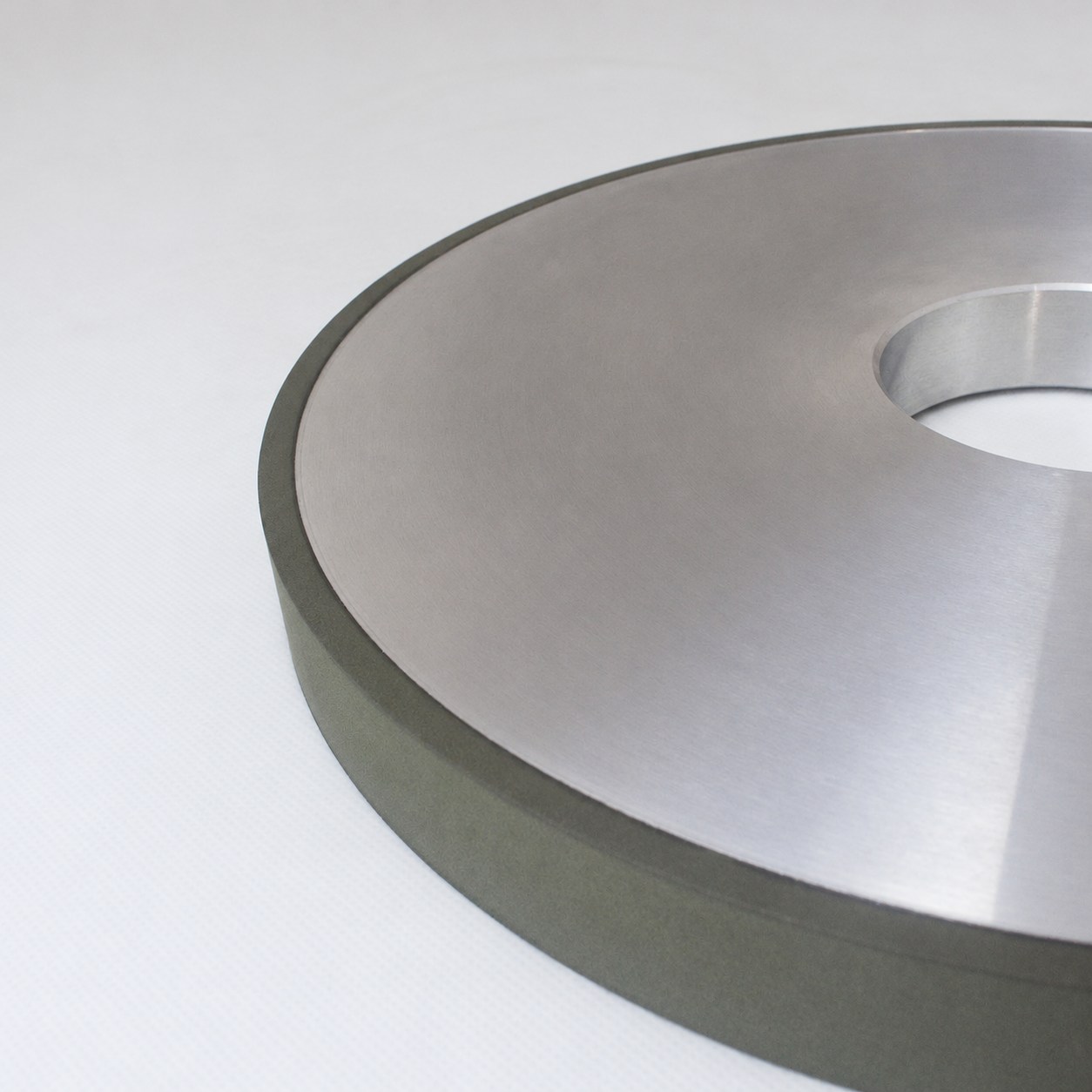
INDUSTRIAL SURFACE GRINDING
Resin-Bond CBN Surface Grinding Wheels
Straight resin-bond CBN wheels for surface grinding of hardened and high-hardness ferrous materials. Source-listed diameters cover 100–200 mm with 31.75 or 32 mm bores, making the range relevant to 618-type manual surface grinders and comparable equipment.
- Straight / parallel wheel construction
- Source-listed grit range: 100#–270#
- Dimensions and abrasive specification confirmed before quotation
DIAMETER
100–200 mm
Five source-listed outside diameters.
BORE
31.75 / 32 mm
Confirm the machine interface before order.
GRIT OPTIONS
100#–270#
Select from stock removal and finish target.
Where This Wheel Fits
CBN is selected primarily for hardened ferrous workpieces. This product is positioned for industrial flat-surface grinding where a resin bond and straight wheel geometry match the machine, contact area and finish target.
Typical CBN Workpieces
- Hardened tool and die steels
- High-speed steel and bearing steel
- Other suitable hardened ferrous alloys after review
Choose Another Abrasive When Needed
- Diamond is normally evaluated for carbide, ceramics and glass
- Conventional abrasives may be more economical for softer steels
- Do not choose from wheel appearance alone
Straight-Wheel Geometry for Surface Grinding
The listed construction uses a precision-machined metal body with a resin-bond CBN abrasive rim. Wheel diameter, body thickness, bore and rim width must be checked together; a matching outside diameter alone does not confirm interchangeability.
- Type: straight / parallel wheel
- Source-listed rim widths: 5 or 10 mm
- Source-listed body thicknesses: 10–20 mm by diameter
- Final drawing and maximum speed require approval
Source-Listed Size Guide
| Outside Diameter D | Thickness T | Bore H | Abrasive Rim X |
|---|---|---|---|
| 100 / 125 / 150 mm | 10 mm | 31.75 or 32 mm | 5 or 10 mm |
| 180 / 200 mm | 10 / 15 / 20 mm | 31.75 or 32 mm | 5 or 10 mm |
Reference sizes are taken from the supplied listing. Availability and the final combination of D × T × H × X, grit and concentration must be confirmed before quotation.
Specification Guide
| Product Family | Resin-bond CBN straight surface grinding wheel |
| Machine Reference | 618-type manual surface grinder and comparable machines after interface review |
| Grit Options Shown | 100#, 150#, 180#, 200#, 240# and 270# |
| Concentration | 100% appears on one source parameter image; confirm for the selected specification |
| Workpiece | Hardened or high-hardness ferrous material; confirm grade and hardness |
| Maximum Speed / Tolerance | Not assumed; confirm on the approved wheel drawing and label before use |
Information Required for Quotation
Send the workpiece material and hardness, wheel dimensions D × T × H × X, machine model and spindle speed, coolant condition, stock removal, target surface finish, current wheel specification and required quantity. We will confirm whether CBN and this construction are suitable before quotation.
Frequently Asked Questions
Is this wheel suitable for carbide, glass or ceramics?
No assumption should be made from the supplier’s generic image. Diamond is normally evaluated for carbide, technical ceramics and glass, while CBN is primarily selected for hardened ferrous materials.
Are all listed dimensions interchangeable on a 618 grinder?
No. Confirm outside diameter, thickness, bore, abrasive rim, guarding, flange, spindle speed and machine clearance. The final wheel drawing must match the machine.
What operating speed should I use?
Do not copy a generic chart. Use only the approved maximum speed shown on the final wheel specification and label, and stay within the machine manufacturer’s limits.
How should I choose grit?
Choose grit from workpiece hardness, contact area, stock removal, required finish, coolant and machine condition. A trial is recommended when replacing an existing wheel.